
Introducing Anti-Delight
When Friction Becomes a Strategy

In product design, we often focus on delight, those crafted moments that surprise, satisfy, and emotionally connect users with the product. But in the background of many successful products lies a less celebrated, yet equally intentional tactic: anti-delight.
While delight is about delivering joy, anti-delight is about revealing joy, and then gently withholding it. It introduces small constraints, interruptions, or limitations to highlight the benefits of a more complete experience. This isn’t about punishing users, it’s about prompting them to imagine what more is possible.
When done thoughtfully, anti-delight becomes a strategic form of friction—one that encourages users to act, upgrade, or engage further.
What Is Anti-Delight?
Anti-delight refers to the deliberate design of temporary constraints within the user experience to create a sense of limitation or incompleteness. Its purpose is to surface the value of a better experience by showing users just enough to make them want more.
Most commonly, anti-delight is used in freemium models to drive conversion. But it also plays a role in onboarding, habit formation, and deeper product engagement.
Unlike poor UX or technical constraints, anti-delight is intentional. It is carefully timed and calibrated to spark curiosity, desire, or a need to progress—without eroding trust.
How Anti-Delight Works
Anti-delight works by leveraging key behavioral principles:
Loss aversion: People are more sensitive to losing something they’ve had than gaining something new. A taste of a delightful feature, followed by limitation, can trigger the motivation to retain or unlock it.
Contrast: When users experience a limited version of something great, the difference between “what is” and “what could be” becomes emotionally salient.
Value revelation: Anti-delight isn't just about limiting. It’s about showing the potential of the full experience, then restricting access just enough to make that value felt.
The emotional goal of anti-delight is not frustration—it’s anticipation.
Anti-Delight in Practice
While anti-delight is often more visible in consumer products, it is increasingly used in B2B software as well. In fact, it can be even more powerful—because the decision to upgrade or expand use often requires internal advocacy, proof of value, and clear justification.
Examples from B2C
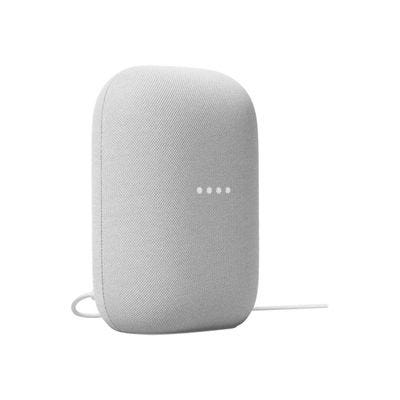
Google Music on Google Home – "Time for a Break"
Free-tier users listening through Google Home may hear this message after a few songs:
“It’s time for a break.”
This is a designed interruption, placed just as the user begins to enjoy continuous listening. It reveals the delight of the product and then restricts it to trigger awareness of what’s missing.
Spotify – Limited Skips and Shuffle Play
Spotify’s free mobile tier restricts the number of song skips and locks playlists into shuffle mode. The music experience is still available—but noticeably limited. This encourages users to imagine the freedom and control Premium would offer.

Examples from B2B
Here’s how anti-delight shows up in B2B contexts:
Usage or Seat Limits
Tools like Notion, Airtable, or Miro limit the number of users, projects, or boards in free tiers. Once a team hits a threshold, they face a friction point that nudges them to consider upgrading.
Feature Gating
Advanced features, like permission management, analytics, or integrations, are visible but locked behind a higher-tier plan. This visibility serves as a preview of the value, making the restriction feel purposeful rather than hidden.
When Anti-Delight Fails
The danger of anti-delight lies in crossing the line from helpful friction into frustration. If constraints feel arbitrary, too aggressive, or emotionally tone-deaf, users may feel manipulated or blocked and simply leave.
Here are common pitfalls:
Frustration from abrupt limits that halt progress or block essential tasks
Overuse of interruptions that reduce the feeling of flow
Lack of transparency around what’s being limited and why
Poor timing, such as prompting upgrades too early in the user journey
To work, anti-delight must be carefully designed and emotionally intelligent. The user should still feel respected, even as they’re nudged toward action.
Anti-Delight Is Not the Opposite of Delight
It's tempting to think of anti-delight as the antithesis of delightful experiences. But in reality, they are part of the same journey.
Anti-delight sets the stage for delight. It shows users a glimpse of joy, and then restricts it, creating contrast. When users choose to upgrade, complete onboarding, or expand usage, that moment becomes more satisfying. The reward feels earned. The full experience feels more valuable.
In this way, anti-delight isn’t about removing joy, it’s about amplifying it through contrast.
Final Thoughts
Anti-delight is a subtle but powerful strategy. When designed thoughtfully, it can reveal product value, drive conversion, and encourage deeper engagement—whether in B2C or B2B settings. It works by giving users a taste of delight, then pausing, asking them to lean in.
But with this power comes responsibility. Anti-delight must be used ethically, with empathy and care. The goal is not to frustrate, it’s to open the door to something better and to let the user decide when to step through it.